
Just Go and Hold a Baby
April 28, 2026
Just Go and Hold a Baby
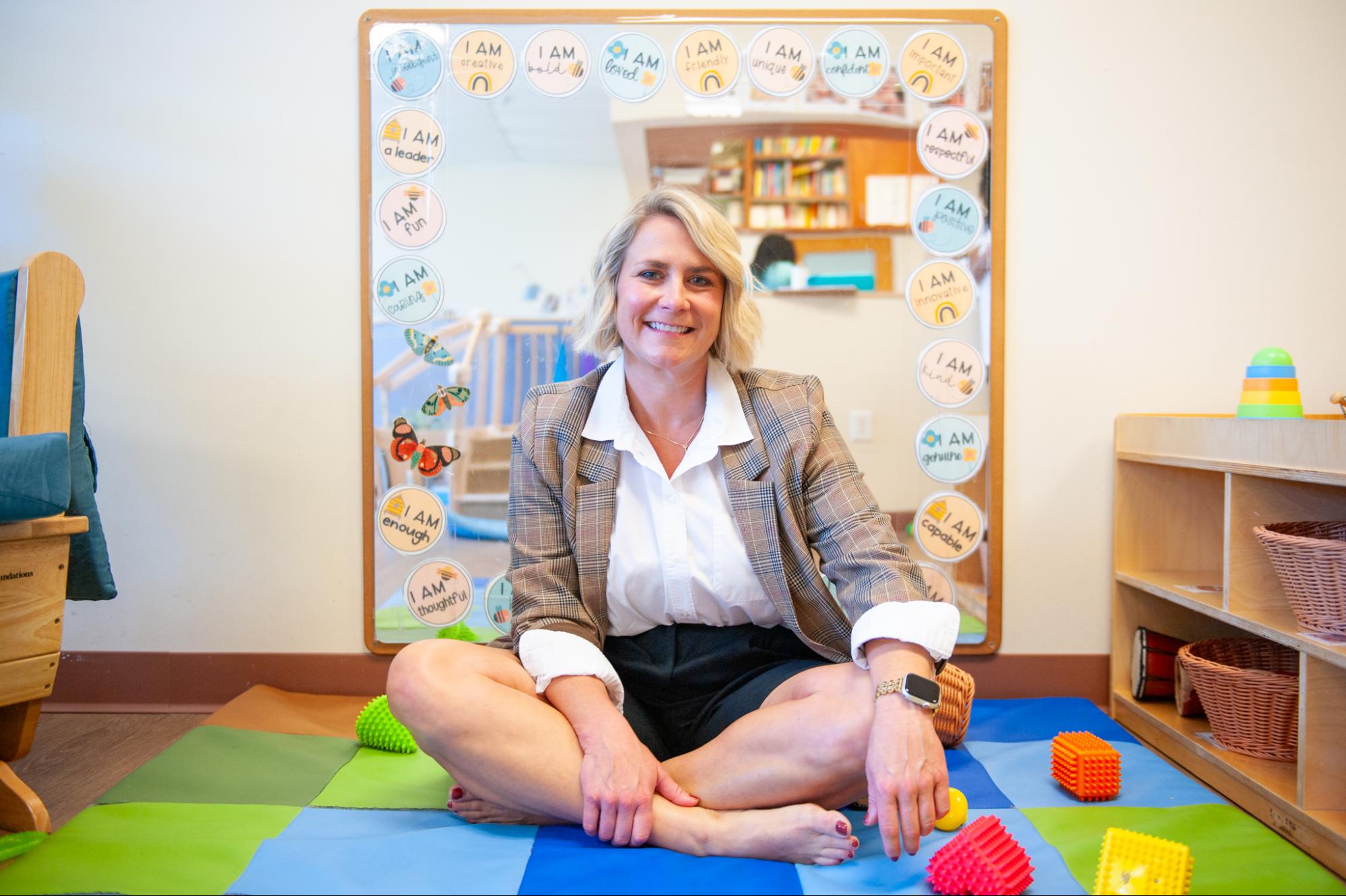
This is a Humans of St. Louis + WEPOWER collab to amplify the stories of educators and families who are part of the childcare community. Childcare providers and workers are on the frontlines no matter what — during COVID, during the tornado, and catastrophe after catastrophe — so parents can go to work, provide for their families, and keep our economy running. We hope you get an opportunity to learn more about what it’s like to be a parent of a child who is five years old or younger, and what it’s like to care for those children at early childhood centers throughout St. Louis.
This story highlights the work of Lindsey Baker from SouthSide Early Childhood Center.
Interview by Kiara Fite. Photostory by Kiara Fite and Lindy Drew.
"Zero to five is an important time frame for children. It’s like the secret sauce period of time for the brain. Billions of neurotransmitters are being connected, and executive functioning skills are created during that time. The architecture of the brain is being built: how we make friends, work with others, solve problems together, manage feelings, and communicate. As a child, access to high-quality care and positive interactions can have a great impact on their adulthood. It’s a very critical time for the brain to be developing. To think that this isn’t an important time would be irresponsible.
We can only serve a certain number of children at our center, but we want high-quality care from all childcare providers in the region. After working in childcare for so long, I learned that you can’t start talking about larger policy changes without being highly organized. It needs to be heard from many different people, not just one person or organization. SouthSide Early Childhood Center has been around for 140 years. We can amplify this issue in a way that other child care providers can't by leveraging our funds and support. When one childcare provider is lifted, others will be too.
It’s hard to chip away at the issues within the childcare field. We have many children aged zero to five, but only so many can be enrolled. And without more public funds, we can’t build more SouthSides, support smaller childcare centers to provide quality care, or make it affordable for parents in middle- to lower-income families who suffer the most. Some opt out of the workforce to stay at home because they can’t afford childcare. What if I have three children under the age of five who need childcare? Depending on the center and location, that could be $40,000 to $60,000 a year."
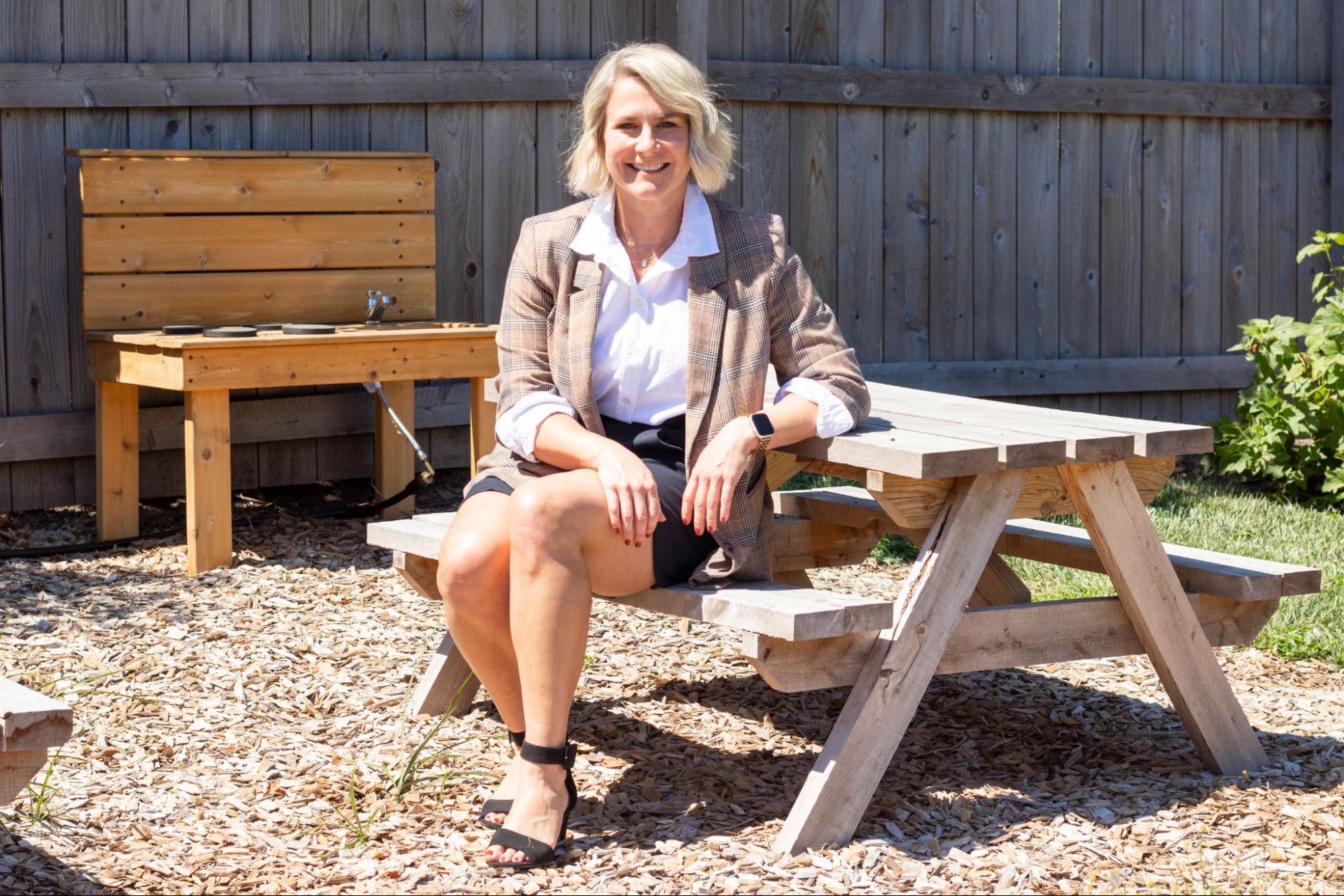
"High-quality childcare can be the difference between a child being left behind or leading the way. I’m an early education policy nerd, thanks to my background as a classroom teacher, administrator, and early intervention specialist. My position at SouthSide Early Childhood Center was the first of its kind within St. Louis’ childcare community. I help increase regional awareness about childcare access and funding. When our advocacy was ramping up, we strategized to get a public investment revenue stream for early childhood education. With the help of our partners, we created the First Step to Equity Report, which helped us recruit coalition members, gather supply and demand research, source funding, connect with providers, and get to the polls. Thinking it through was daunting. We saw it happen around the nation, so we knew it was possible. But we’re childcare workers without any experience doing political campaigns. Still, we thought, ‘It’s a campaign for kids, they’re not going to say no.’ If we hadn’t had a strong coalition, this work wouldn’t have come together so well."

"Six months after I started working at SouthSide, I was pregnant. I felt like I won the lottery when I brought my baby here. My daughter was enrolled from 12 weeks old until she was five years old. We lived in the Fox Park neighborhood, just three blocks away. So, there was no better feeling than knowing my baby was at one of the highest-quality facilities, with the best staff, and I would be in proximity to her. Luckily, if I wanted to breastfeed or I missed her, I could just walk into her classroom. It was like seeing a celebrity when I saw her. I couldn’t have asked for a more perfect situation. Getting enrolled in childcare is hard. Sometimes, by the grace of God, a random slot will open up. Recently, we had to change classrooms around, which gave us five openings. I tell every single person, because it’s not said enough: ‘The moment you find out you’re pregnant, you should be calling your childcare center of choice.’ Many times, we know people are pregnant before they even tell their own partner or family.
Many of our employees have enrolled their children here, too. As soon as we find out someone on staff is pregnant, we place them on the waitlist. I love seeing them and their children in classrooms. How often do you have a workplace where everybody’s excited that you’re pregnant? It’s rare for a workplace to celebrate motherhood. We have the honor of supporting other families in the same way that we would want our babies to be treated."
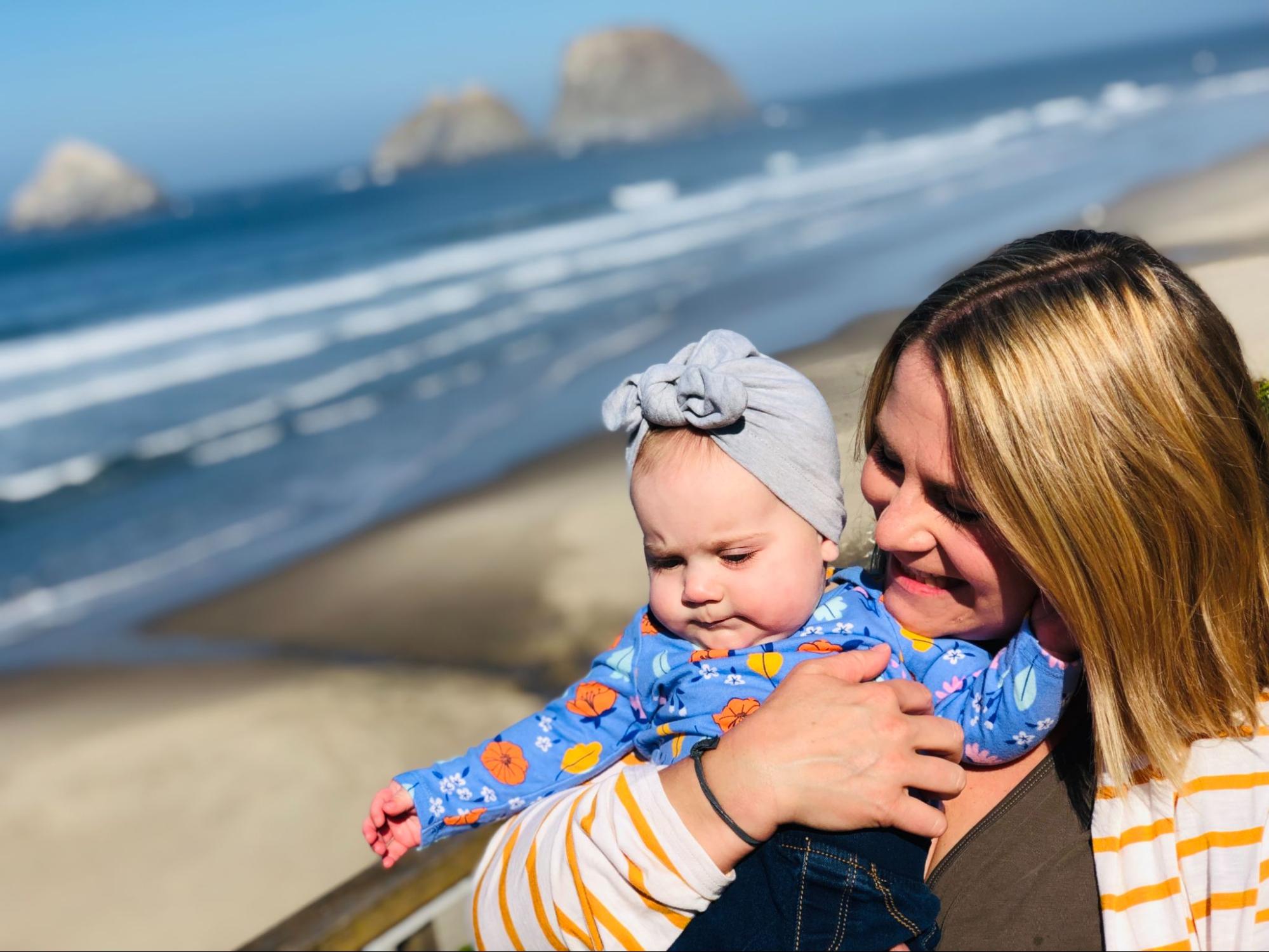
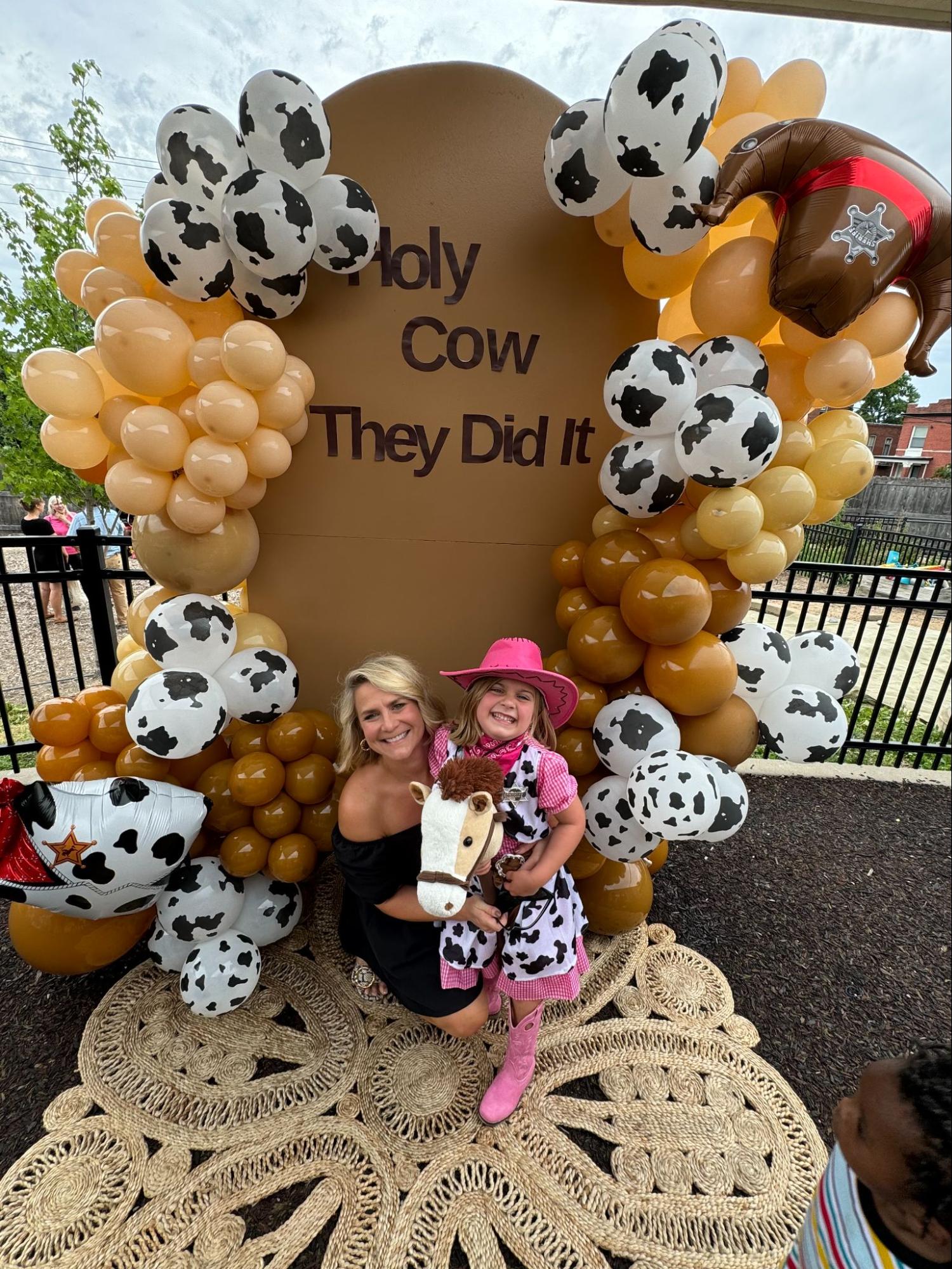
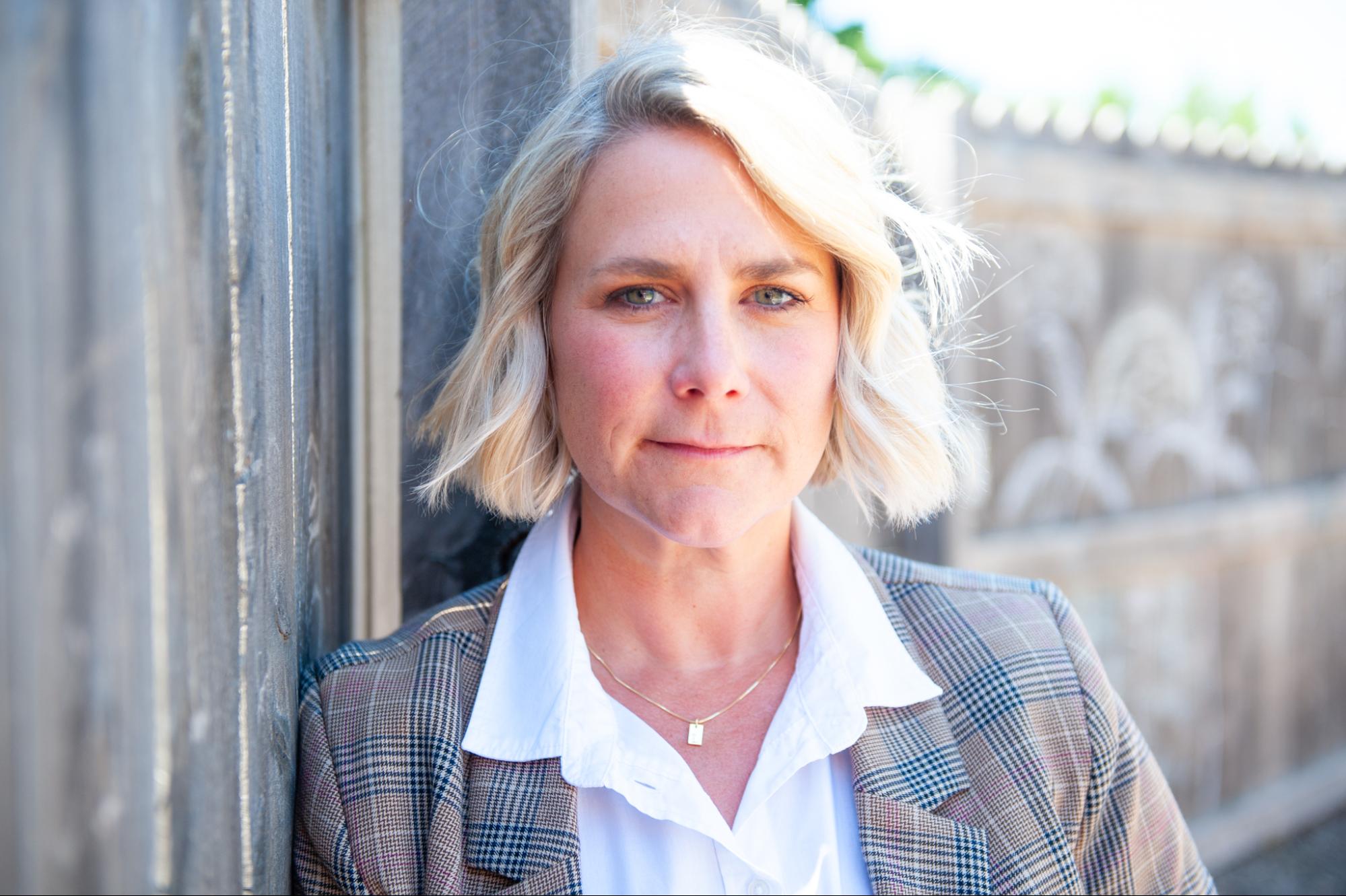
"My daughter was almost one when she unexpectedly had to be hospitalized. Developmentally, she was grasping at the table and nearly walking. Everything was wonderful healthwise, but one day she got very sick. We never found out what caused it, but she regressed into a three-month-old. She had to relearn how to roll over, crawl, and feed herself again. That was the scariest experience I had as a mother. I was able to get her assessed with the help of First Steps, which supports children ages zero to three experiencing developmental delays or concerns. Her occupational therapist and physical therapist worked to get her back to where she was originally, before this weird illness struck. It’s frightening to watch your baby almost walk one day and then be unable to roll over the next. I had many potential scenarios going through my mind. I wasn’t even sure if she would walk again. If we weren’t both at SouthSide, I don’t think I would have had the care, love, and support from our staff who got me through this.
COVID happened shortly after, so it was a weird timeline of events. As a mother, I have never had so much anxiety in my entire life as I did during COVID. My daughter had just been sick, and then there was the lockdown. It was frightening for parents with children under five because we knew they would be the last to be vaccinated. So I’d wake up in the middle of the night in a complete panic, like my baby was going to die. New mothers already experience a lot of stress. Then add something like this? That’s just a host of unnecessary anxiety. I have friends who gave birth in March 2020 who tell me the horror stories of their postpartum anxiety and depression. That’ll be very difficult to recover from."
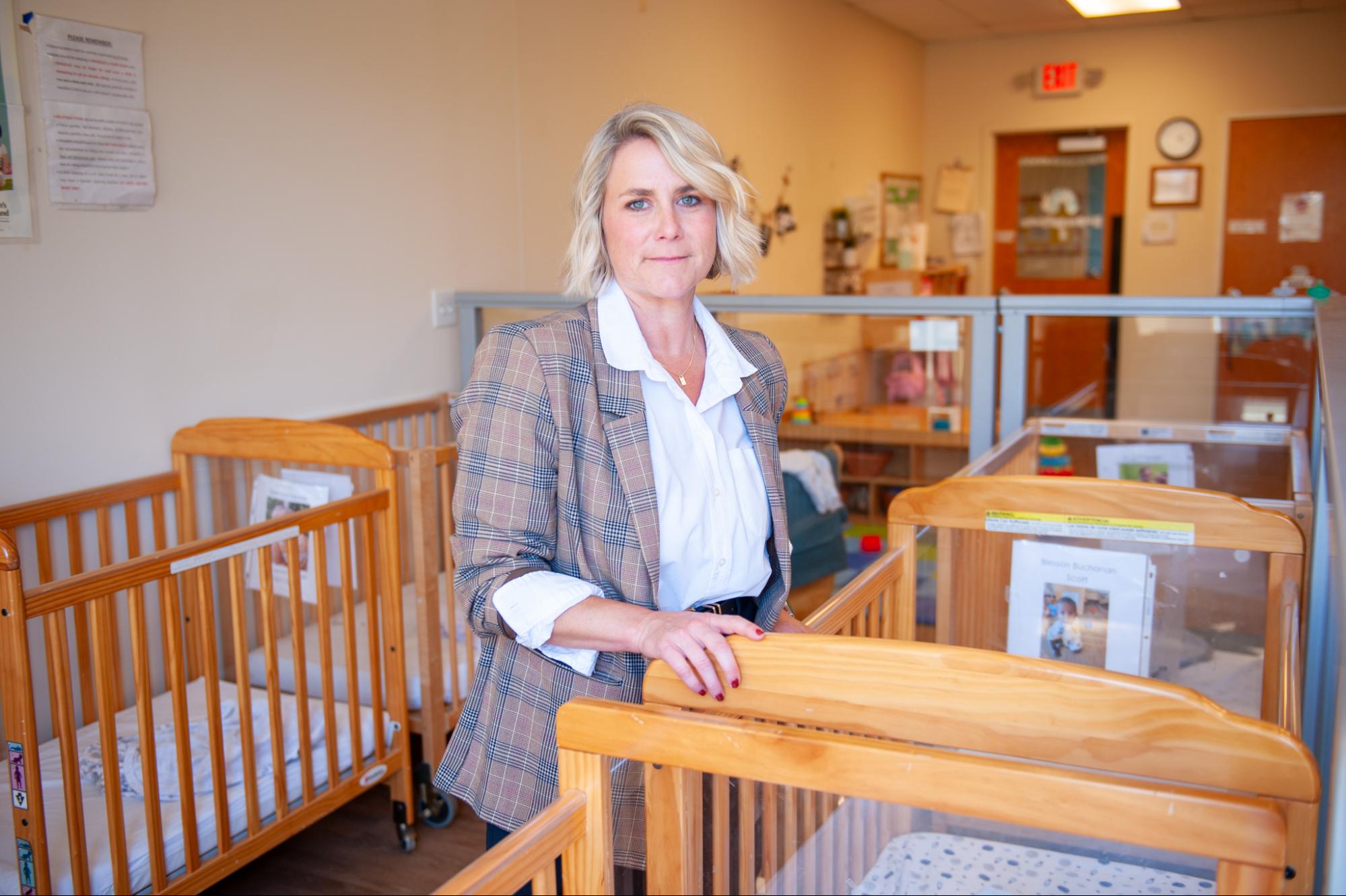
"There are very few public funds and federal support for early childhood care and education, and a majority of childcare providers work with a shoestring budget. Providers are just piecemealing different revenue streams together and doing the best they can. A large majority of funding for childcare providers in St. Louis City comes from the state through childcare subsidies, which doesn’t come close to covering the full cost of care. As a result, they’re immediately set up for failure, especially if they’re supporting an under-resourced community. Unfortunately, it’s difficult to pay early childhood workers a livable wage with benefits and a 401(k), let alone purchasing all the learning materials, diapers, wipes, and formula. All of those things are very expensive. Here, we have more employees per child than in a traditional K-12 school. But when state licensing mandates that providers have a ratio of one adult for every four infants and one adult for every 10 preschoolers, the main part of their budget is salaries.
Prop-R was a catalyst for the childcare community because it allowed us to ask, ‘If we build a better system for childcare, what could we start doing?’. And through that, we learned we can organize to do something amazing for children and families. It’s the first public revenue stream of $2.4 million annually in St. Louis City to support early childhood programs and services. Now, our long-term strategy is to find additional public revenue streams to better fund the childcare system, which could increase the quality of care and, most importantly, make it more affordable."
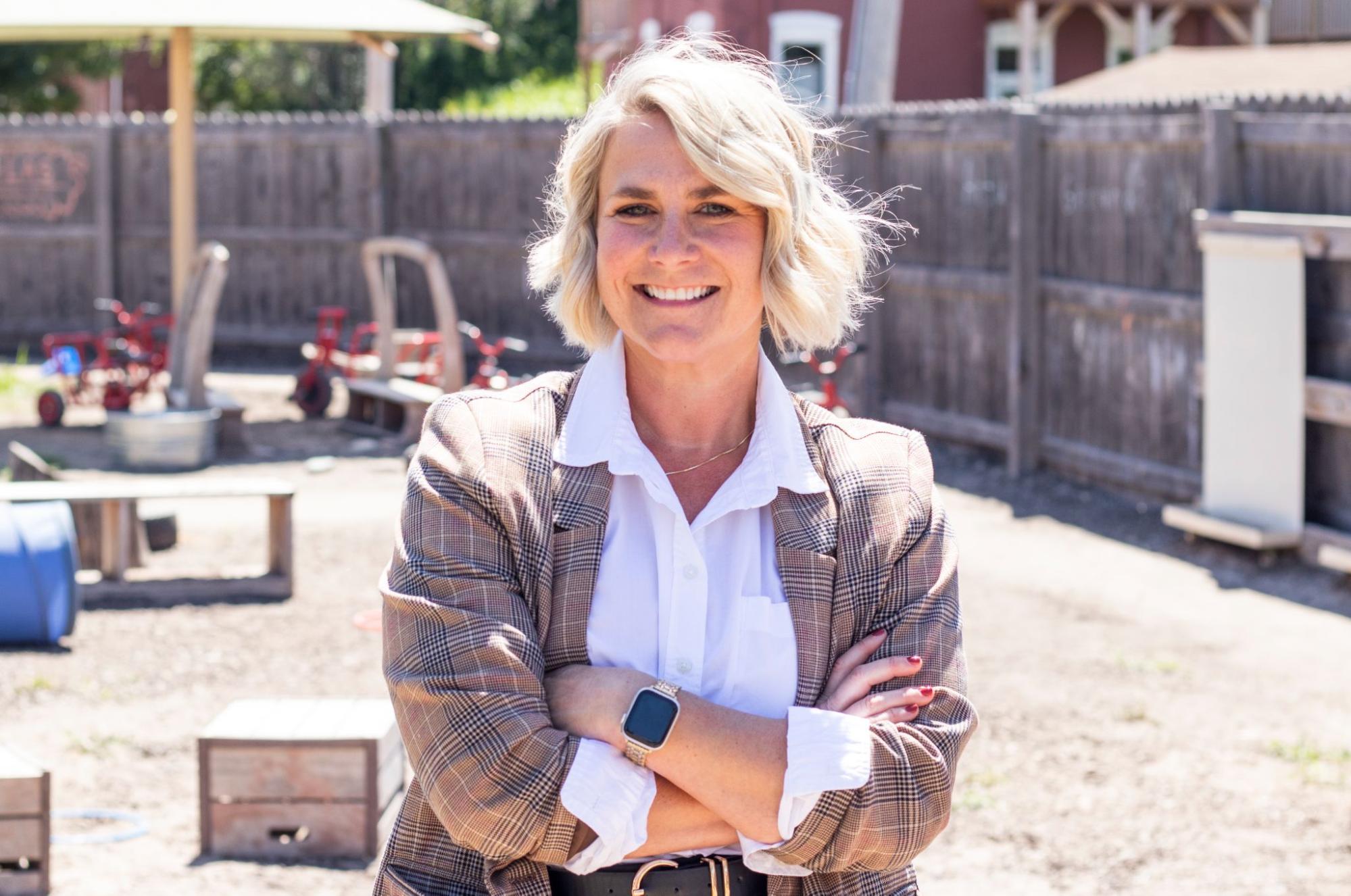
"All I want in the entire world is for childcare to be cheaper for everyone. If we tried to subsidize families with $2.4 million, it would be like giving each family one dollar. That isn’t remotely close to filling the gap. If someone said we were going to win a $1 billion ballot initiative tomorrow, then yes, we could make childcare free for all children in the St. Louis region. But we would need $1 billion every year, not $1 billion once. Some may say the campaign wasn’t worth it because it didn’t garner enough funds. I disagree. It started the first monumental step towards real policy change in our state and region.
There’s a lot that goes into a ballot initiative. It’s all about timing and knowing the supporters. We just had a tornado. And childcare remains so debilitatingly underfunded and underrecognized. We always go back to the question of, ‘Is this the right time?’ If you talk to any childcare provider, we’re going to say, ‘We’re always in desperate times. There’s never going to be a better time than now.’ So, I don’t know what else it would take. It’s a dire situation every day for childcare workers and their employees. I’ve been at this for a while, but there is no doubt in my mind that we’ll be successful with this ballot initiative. I love when people try to tell me otherwise. Just wait till you see."
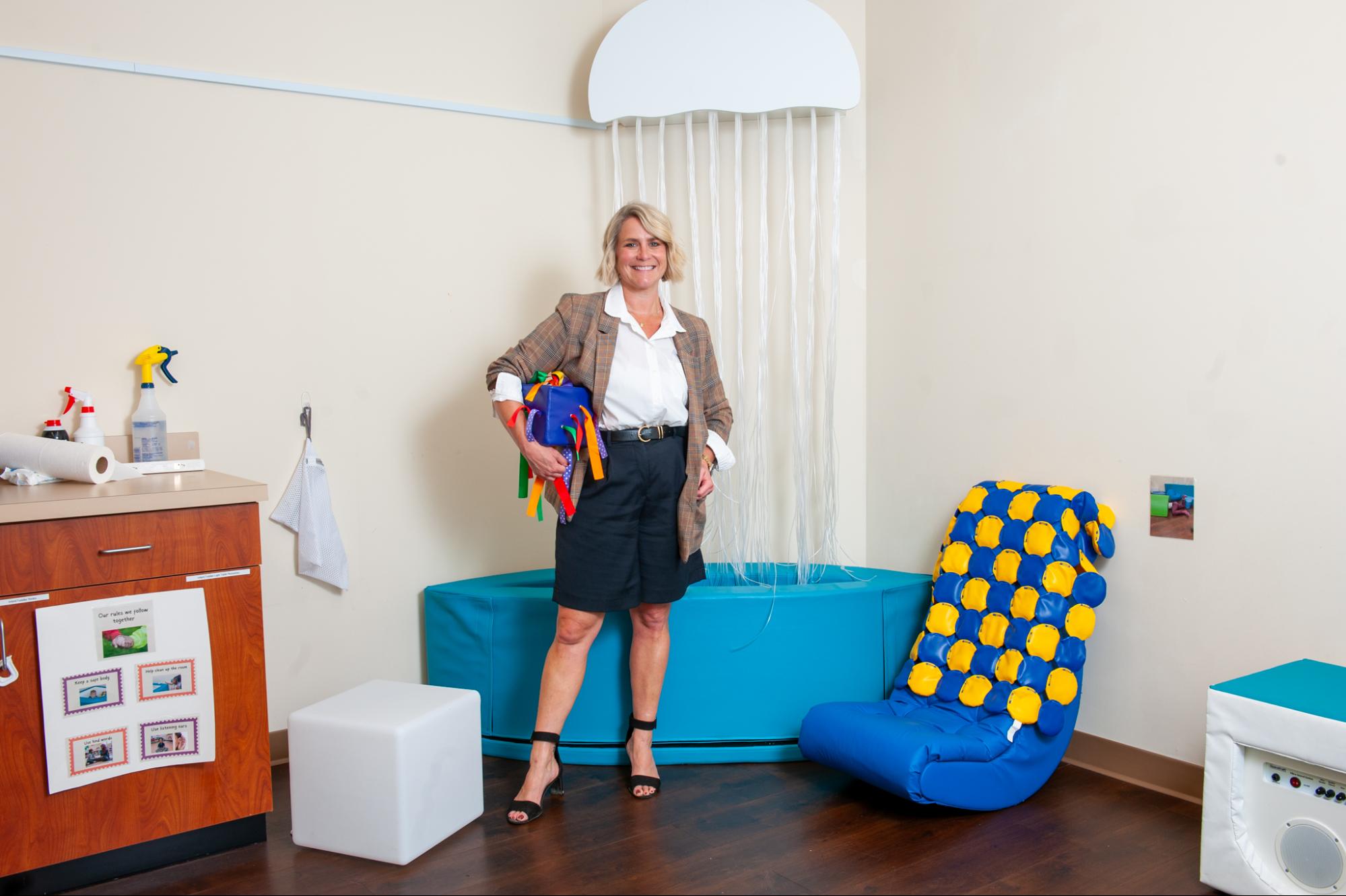
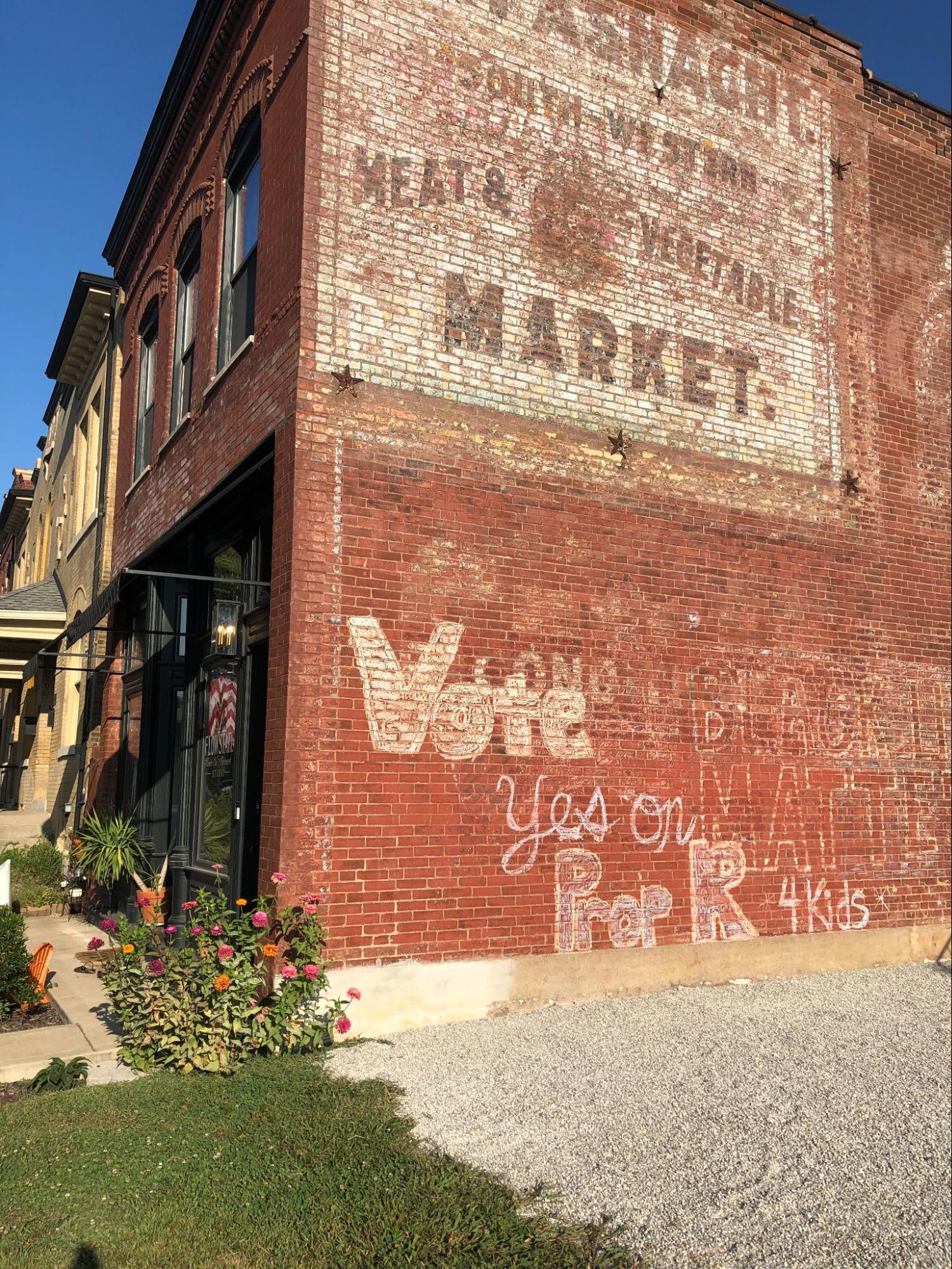
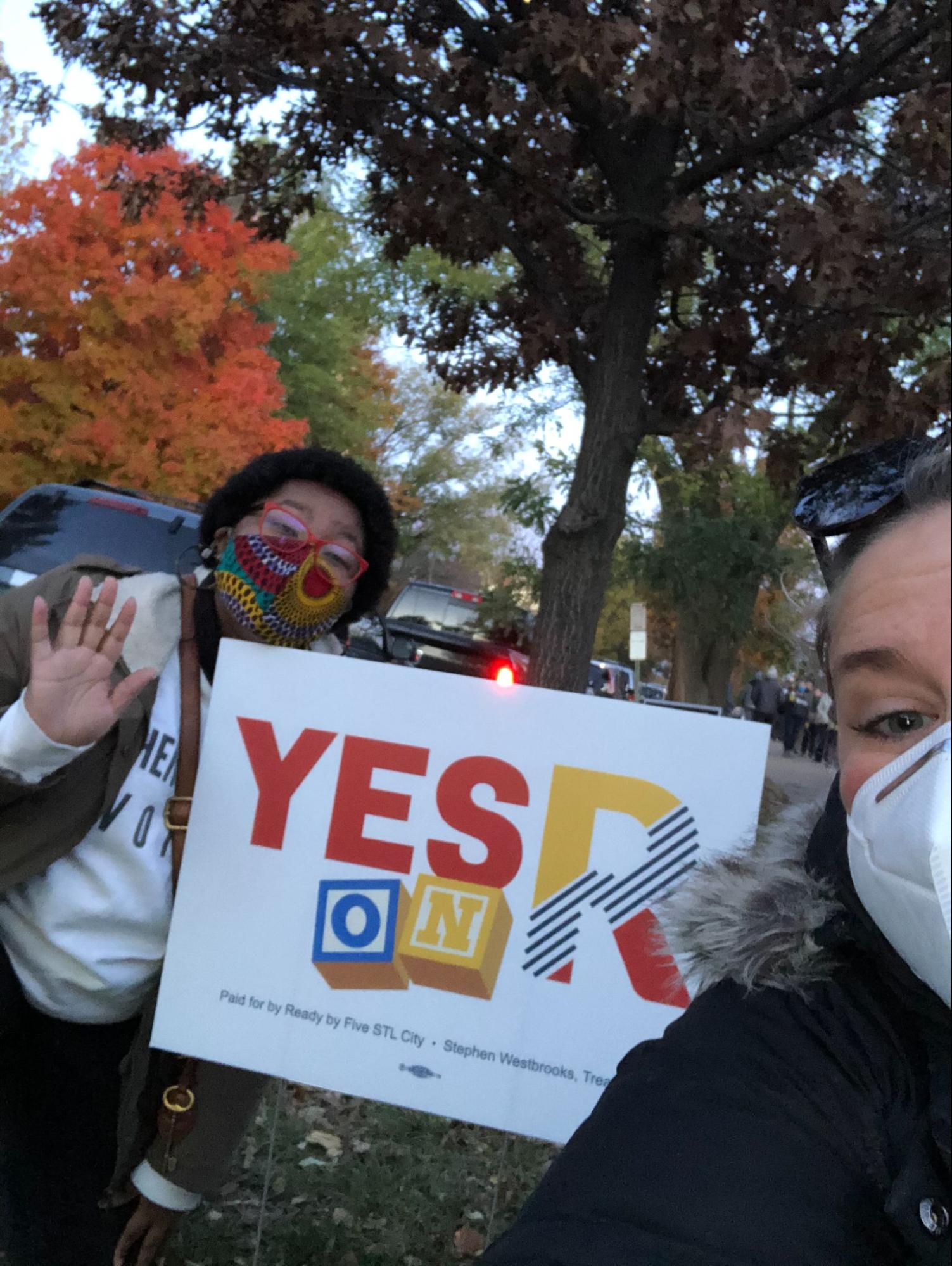
"It’s hard to detract from the seriousness of the issue when talking to families all over St. Louis while I carried my daughter. She’d go everywhere with me. I had an innate, driven, mommy-love for the field. Being a new mother at that time kept me going. I knew the field and the people who worked in it deserved the best. St. Louis children deserve the best. At the beginning of COVID, we all thought this campaign was over. We thought we couldn’t move forward, and that this was bad timing. However, there were a few people who pushed us. Every day, we saw doctors and nurses who had to go to work, but we also needed people to watch their children. This is the importance of childcare. You’d think this was horrible timing, but actually, it turned out to be the right timing. We knew it would take a few years for the funds to build.
Prop-R has given SouthSide the support we never had but knew we needed. As a grantee, our center used the funds to upgrade our social-emotional programming. Some of our families come from backgrounds of domestic violence, homelessness, or have gone through some tough times. We hired two early intervention specialists who provided one-on-one support and group therapy for a caseload of children. After being identified by their teacher, we assessed, screened, and tracked the kids throughout the year. Additionally, Prop R funds allowed us to access Conscious Discipline training for our staff and social-emotional training for parents. We also added a sensory room to help give kids a break when they’re experiencing sensory issues. It doesn’t matter what our families’ backgrounds are; these services are provided to any child here, at no additional cost."
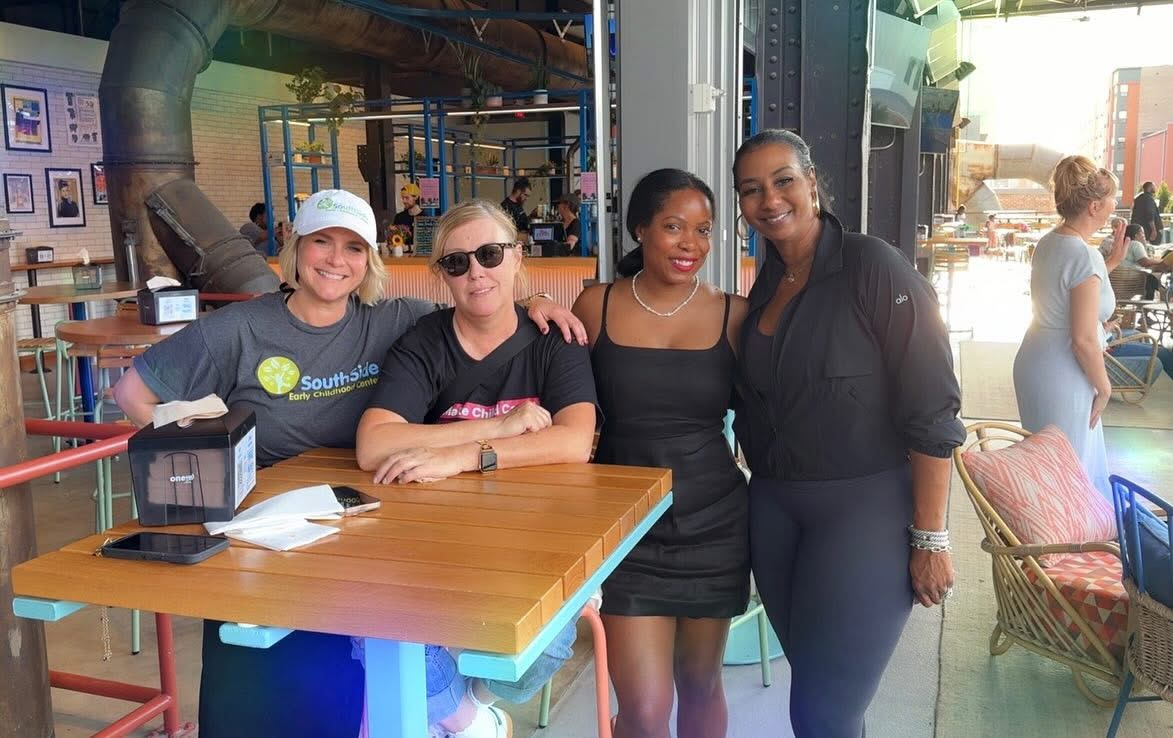


"The tornado brought the same feelings we had during COVID, so we formed a coalition quickly based on what we already learned. We knew each other, what data we needed to get, who to reach out to, and where to get the funding. It was beautifully organic. I had never seen a natural disaster or anything like that in my life. But we went out and drove around after everything had happened, and we found that close to 40 childcare providers were impacted. There was a ground team going door to door to check on them, assess damages, and figure out ways to help employees and families. We set up the same hubs as we did during the pandemic and started drives for basic needs. Anybody could come by SouthSide or the other five hubs to drop off donations, and we’d get them to the impacted area as quickly as possible. We teamed up with Gateway Early Childhood Alliance to manage funds for direct assistance, and we were a rapid triage team. All of St. Louis stepped in to help provide direct relief for childcare providers to get them up and running again. I felt so proud of us."
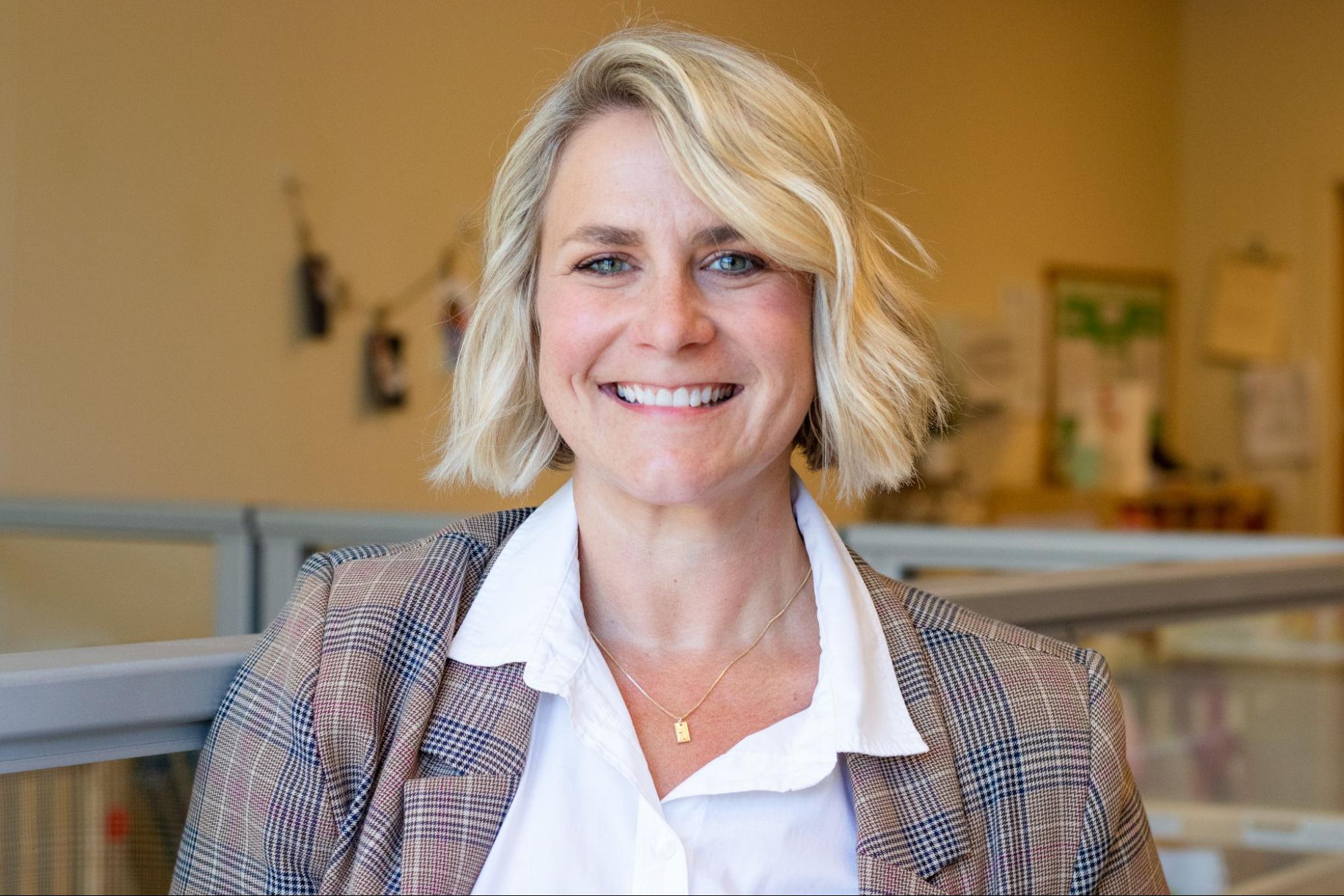
"Our advocacy matters because we’re talking about babies. Last time I checked, families don’t have much time on their hands to advocate. Babies can’t go out and say, ‘I need a sensory room that’s going to calm my nervous system.’ Parents and families are already too tired. Society has to take some of that on for parents and babies. That's why we had to take matters into our own hands. Why should we leave it up to the folks who are the most emotionally and physically stretched? My kid is six, and I just started sleeping more consistently through the night.”
𝑊ℎ𝑎𝑡 𝑤𝑜𝑢𝑙𝑑 𝑦𝑜𝑢 𝑠𝑎𝑦 𝑡𝑜 𝑡ℎ𝑒 𝑝𝑒𝑜𝑝𝑙𝑒 𝑤ℎ𝑜 𝑡ℎ𝑖𝑛𝑘 𝑒𝑎𝑟𝑙𝑦 𝑐ℎ𝑖𝑙𝑑𝑐𝑎𝑟𝑒 𝑖𝑠 𝑛𝑜𝑡 𝑡ℎ𝑒𝑖𝑟 𝑝𝑟𝑜𝑏𝑙𝑒𝑚?
“Last time I checked, children aren’t a problem; they’re a blessing and pretty important. Babies are a part of a societal good. We want to build a strong and resilient group of little ones to be adults who make our world go around. That’s the whole point. Why can’t you support babies? Maybe you need to go hold a baby. Come back and let me know if your thoughts have changed. That’s what I do when I’m having a bad day. I just go and hold a baby."
Lindsey Baker, Director of Advocacy and Operations, SouthSide Early Childhood Center